
Expert Architectural Planning & Construction from Germantown Since 2012
Turn Unfinished Square Footage Into Usable Living Space
Basement Remodeling in Germantown for homeowners with concrete floors, exposed joists, and storage taking over livable area
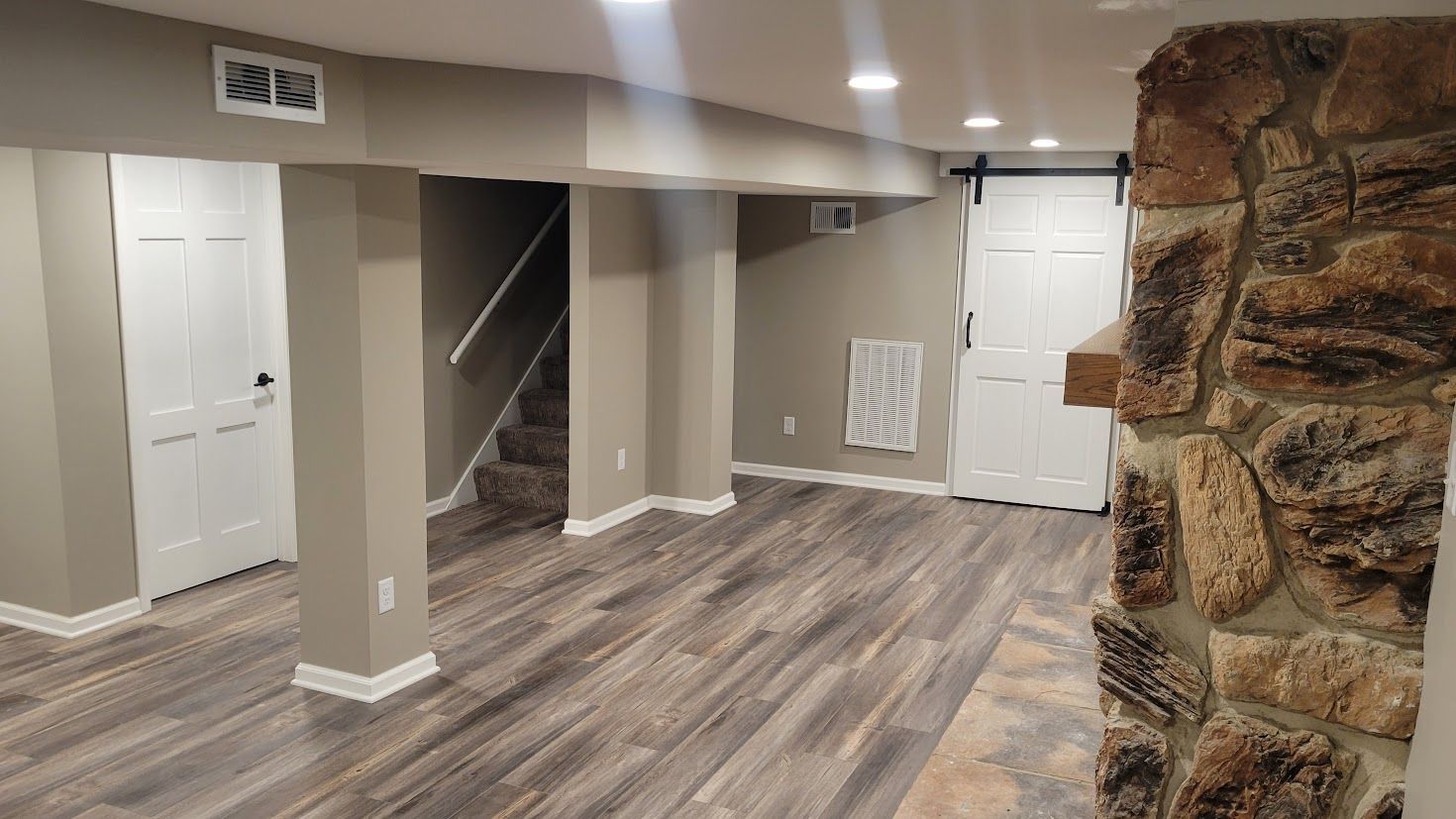
RNB Design Group, LLC works with Germantown homeowners who need their basements to serve as more than overflow storage for seasonal items and boxes that never got unpacked. You're looking at unfinished walls, cold floors, and ceiling heights that could support a guest suite, office, or entertainment space if the room were insulated, drywalled, and properly lit. Basement remodeling converts that raw square footage into finished rooms by adding walls, flooring, lighting, and climate control that make the space comfortable year-round.
This service includes framing interior walls, installing insulation that meets code for below-grade spaces, running electrical for outlets and overhead lighting, and selecting flooring that handles temperature swings and potential moisture. If your basement has a history of dampness, moisture control measures like vapor barriers, sump pump evaluation, and sealing foundation cracks get addressed before finish materials go in. Layout planning determines where rooms, closets, and egress windows fit within the existing footprint and ceiling height.
If you're ready to stop walking past wasted space every time you go downstairs, start with a consultation to discuss layout options and what the basement can realistically support in Germantown.
Insulation, Lighting, and Layout Decisions That Define the Finished Room
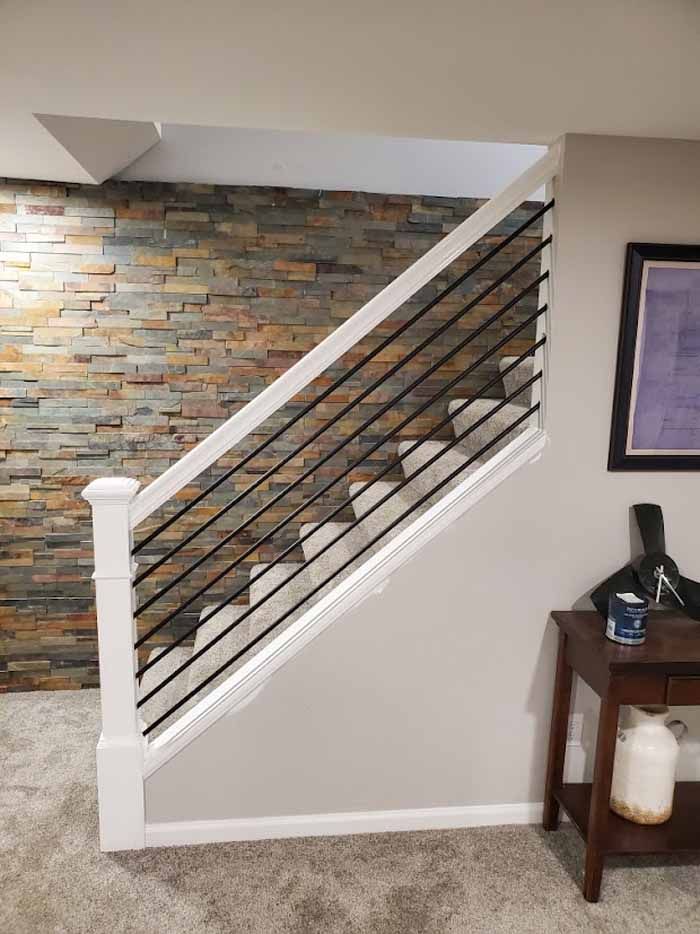
You'll review framing layouts, flooring materials, ceiling options, and lighting placement with attention to headroom, window placement, and how the space connects to the stairs. RNB Design Group, LLC helps you decide whether to leave ceiling joists exposed with paint, install drywall for a finished look, or use drop ceiling tiles that preserve access to plumbing and electrical. Carpet, luxury vinyl plank, or engineered wood get selected based on subfloor conditions and how much foot traffic the room will handle.
After the remodel, you'll notice floors that stay warm underfoot, walls that don't feel cold when you lean against them, and lighting that makes the room usable without relying solely on small egress windows. The basement stops feeling like a storage zone and starts functioning as a room where people spend time—whether that's a home office with dedicated outlets, a media room with wired speaker placement, or a guest suite with a closet and privacy.
Egress windows and proper ventilation are required by code when basements include bedrooms or living areas, and those elements must be planned early in the design. Ceiling height limitations, ductwork routing, and support beam placement all affect what layouts are possible. Not every basement can fit every vision, but a well-planned remodel uses the available space without creating awkward transitions or unusable corners.
Common Questions About Finishing a Basement
Homeowners in Germantown frequently ask what's involved in taking a basement from bare concrete to finished living area. These are the questions that come up most often during planning.
How long does a basement remodel usually take?
Most projects run six to ten weeks depending on room count, whether plumbing or HVAC needs to be extended, and how much prep work the foundation requires.
What should I do if my basement has moisture issues?
Address drainage, grading, and foundation sealing before finishing—moisture trapped behind drywall leads to mold and material failure that's expensive to fix.
Why does ceiling height matter so much in a basement?
Code requires minimum ceiling height for habitable rooms, and low ceilings limit what finishes and ductwork routing are possible without making the space feel cramped.
When do I need an egress window?
Any basement bedroom requires an egress window for fire safety, and even non-bedroom spaces benefit from natural light and ventilation that small hopper windows can't provide.
How does RNB Design Group, LLC handle insulation and climate control in Germantown basements?
Insulated walls and proper HVAC extension keep the space comfortable in winter and summer, and prevent the room from feeling damp or cold compared to upstairs living areas.
Once the basement is finished, you'll have square footage that feels like part of the house instead of a separate, neglected level. Reach out to RNB Design Group, LLC to review your basement layout and talk through what's possible given your foundation, ceiling height, and goals for the space.